
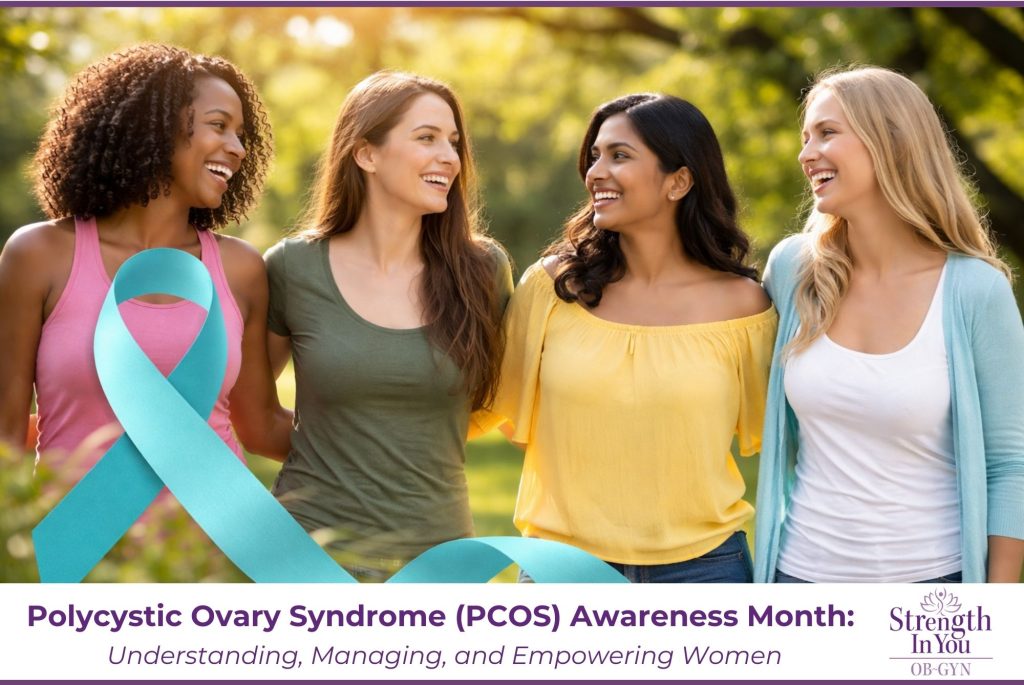
Polycystic Ovary Syndrome (PCOS) is one of the most common hormonal disorders affecting women of reproductive age—yet it remains widely misunderstood and often underdiagnosed. During PCOS Awareness Month, Strength In You OBGYN is committed to educating, supporting, and empowering women to take control of their health.
If you or someone you love is living with PCOS—or wondering if you might be—this guide will help you better understand the condition, its symptoms, and how it can be managed effectively.
What is PCOS?
Polycystic Ovary Syndrome (PCOS) is a hormonal imbalance that affects how the ovaries function. Women with PCOS may have irregular menstrual cycles, elevated levels of androgens (male hormones), and/or multiple small cysts on the ovaries.
PCOS is not just a reproductive issue—it can impact your metabolic health, mental well-being, and long-term risk for conditions like diabetes and heart disease.
Common Symptoms of PCOS
PCOS symptoms can vary from person to person, but common signs include:
- Irregular or missed periods
- Excess facial or body hair (hirsutism)
- Acne or oily skin
- Thinning hair or hair loss on the scalp
- Weight gain or difficulty losing weight
- Darkened skin patches (especially around the neck or underarms)
- Difficulty getting pregnant
Because symptoms differ, many women go years without a diagnosis.
What Causes PCOS?
The exact cause of PCOS isn’t fully understood, but several factors play a role:
- Hormonal imbalance: Elevated androgens interfere with ovulation
- Insulin resistance: The body’s cells don’t respond properly to insulin, leading to higher insulin levels
- Genetics: PCOS often runs in families
- Inflammation: Low-grade inflammation may contribute to increased androgen production
Why Awareness Matters
PCOS affects up to 1 in 10 women, yet many are unaware they have it. Without proper diagnosis and care, PCOS can increase the risk of:
- Type 2 diabetes
- High blood pressure
- Heart disease
- Endometrial cancer
- Infertility
Early detection and personalized care can significantly improve outcomes and quality of life.
How PCOS is Diagnosed
Diagnosis typically involves a combination of:
- Medical history and symptom review
- Physical examination
- Blood tests (to check hormone and insulin levels)
- Ultrasound imaging of the ovaries
At Strength In You OBGYN, we take a comprehensive and compassionate approach, ensuring every patient receives individualized care.
Treatment & Management Options
While there is no cure for PCOS, it can be effectively managed through:
1. Lifestyle Changes
- Balanced nutrition
- Regular physical activity
- Weight management
2. Medications
- Birth control pills to regulate cycles
- Medications to reduce androgen levels
- Insulin-sensitizing medications
3. Fertility Support
For women trying to conceive, treatments are available to help stimulate ovulation.
4. Mental Health Support
PCOS can impact emotional well-being. Addressing stress, anxiety, and depression is an essential part of care.
You Are Not Alone
Living with PCOS can feel overwhelming—but you don’t have to navigate it alone. With the right medical support, education, and lifestyle strategies, women with PCOS can lead healthy, fulfilling lives.
At Strength In You OBGYN, we believe in empowering women through knowledge, compassionate care, and personalized treatment plans.
PCOS Awareness Month Q&A
Q: Is PCOS the same for every woman?
A: No. PCOS presents differently in each individual. Some women may have mild symptoms, while others experience more significant challenges.
Q: Can PCOS go away on its own?
A: PCOS does not “go away,” but symptoms can be managed effectively with proper care and lifestyle adjustments.
Q: Can I still get pregnant if I have PCOS?
A: Yes. Many women with PCOS conceive successfully, sometimes with medical support to regulate ovulation.
Q: Does PCOS only affect reproductive health?
A: No. PCOS can also impact metabolic health, increasing the risk of diabetes, heart disease, and other conditions.
Q: Is weight gain always part of PCOS?
A: Not always. While many women experience weight challenges, lean women can also have PCOS.
Q: How is PCOS treated?
A: Treatment depends on your symptoms and goals. It may include lifestyle changes, medications, or fertility treatments.
Q: When should I see a doctor?
A: If you have irregular periods, unexplained weight changes, excess hair growth, or difficulty conceiving, it’s important to schedule an evaluation.
Q: Can diet really help with PCOS?
A: Yes. A balanced diet that supports stable blood sugar levels can significantly improve symptoms.
Q: Is PCOS linked to mental health?
A: Yes. Women with PCOS are more likely to experience anxiety and depression, making holistic care essential.
Q: What makes Strength In You OBGYN different?
A: We focus on personalized, patient-centered care—addressing not just symptoms, but your overall health and well-being.
Take the Next Step Toward Better Health
If you suspect you may have PCOS or are seeking expert care, we’re here to help.
Strength In You OBGYN
📍 11886 Healing Way Suite 580, Silver Spring, MD 20904
📞 Phone: (240) 554-5505
🌐 Website: strengthinyouobgyn.com