
By Strength In You OBGYN
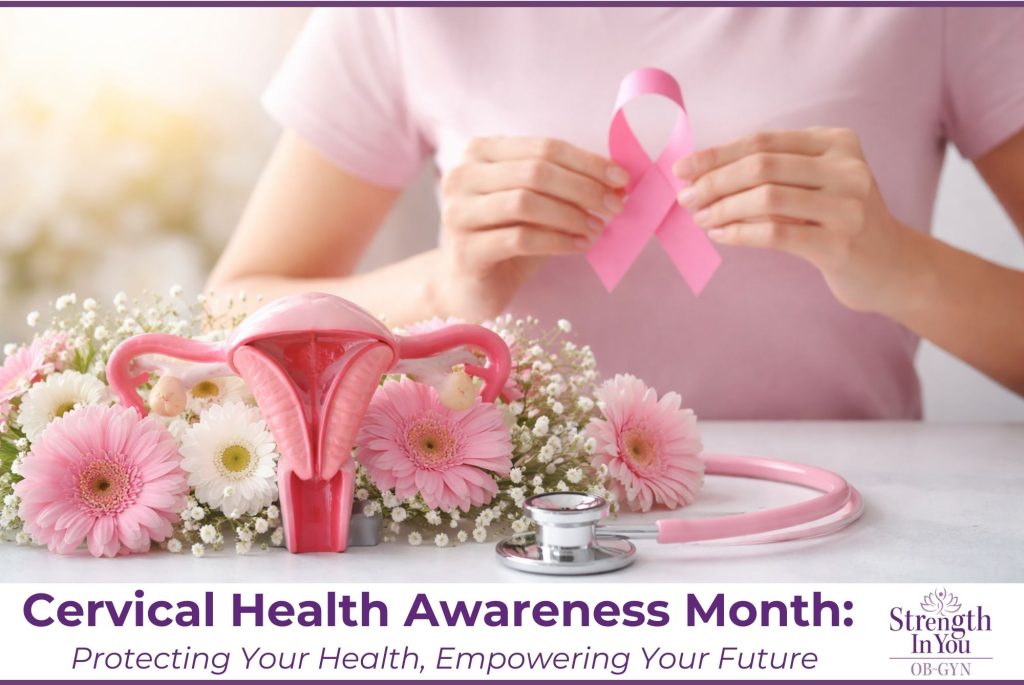
January is Cervical Health Awareness Month—a time dedicated to educating, empowering, and encouraging women to take charge of their cervical health. At Strength In You OBGYN, we believe that knowledge, prevention, and early detection are powerful tools that can save lives.
Cervical cancer is one of the most preventable types of cancer, yet it still affects thousands of women each year. Through regular screenings, vaccination, and awareness of risk factors, women can significantly reduce their chances of developing cervical cancer.
What Is Cervical Health?
Cervical health refers to the well-being of the cervix—the lower part of the uterus that connects to the vagina. Maintaining cervical health involves routine screenings, monitoring for abnormalities, and taking preventive measures against infections like human papillomavirus (HPV), the leading cause of cervical cancer.
Why Cervical Health Awareness Matters
Cervical cancer often develops slowly and may not show symptoms in its early stages. This is why preventive care is so critical. Regular Pap smears and HPV testing can detect abnormal cells before they become cancerous.
Key facts:
- Most cervical cancer cases are caused by persistent HPV infection
- Early detection has a very high survival rate
- Vaccination can prevent the majority of HPV-related cancers
Prevention Starts with You
Taking proactive steps toward cervical health can make all the difference. Here’s how you can protect yourself:
1. Schedule Regular Screenings
Routine Pap smears and HPV tests are essential for detecting changes early.
2. Get the HPV Vaccine
The HPV vaccine is safe, effective, and recommended for preteens and adults up to age 45 in many cases.
3. Practice Safe Sexual Health
Using protection and limiting exposure to HPV can reduce risk.
4. Know Your Body
Pay attention to unusual symptoms such as abnormal bleeding, pelvic pain, or unusual discharge—and don’t ignore them.
Signs and Symptoms to Watch For
While early cervical cancer may not present symptoms, more advanced stages may include:
- Abnormal vaginal bleeding (between periods or after intercourse)
- Pelvic pain
- Pain during intercourse
- Unusual vaginal discharge
If you experience any of these symptoms, it’s important to seek medical care promptly.
Compassionate Care at Strength In You OBGYN
At Strength In You OBGYN, we are dedicated to providing personalized, compassionate care for every patient. Our team offers comprehensive cervical health services, including:
- Pap smears and HPV testing
- Preventive counseling
- HPV vaccination guidance
- Diagnosis and management of abnormal results
We understand that discussing reproductive health can feel overwhelming, but you are never alone—we are here to support you every step of the way.
Cervical Health Awareness Month Q&A
Q: How often should I get a Pap smear?
A: Most women aged 21–29 should have a Pap smear every 3 years. Women 30–65 may have a Pap smear every 3 years or a combined Pap and HPV test every 5 years, depending on their health history.
Q: What is HPV and why is it important?
A: HPV (human papillomavirus) is a common virus spread through skin-to-skin contact. Certain high-risk strains can lead to cervical cancer if left untreated.
Q: Is the HPV vaccine safe?
A: Yes. The HPV vaccine has been extensively studied and proven to be safe and effective in preventing HPV-related cancers.
Q: Can cervical cancer be cured?
A: When detected early, cervical cancer is highly treatable and often curable. This is why routine screening is so important.
Q: Do I still need screenings if I’m vaccinated?
A: Yes. The HPV vaccine does not protect against all cancer-causing strains, so regular screenings are still necessary.
Q: What happens if my Pap smear is abnormal?
A: An abnormal result doesn’t mean cancer. It simply means further testing may be needed to monitor or treat changes early.
Q: At what age should I start screening?
A: Screening typically begins at age 21, regardless of sexual activity.
Q: Can lifestyle choices affect cervical health?
A: Absolutely. Smoking, a weakened immune system, and multiple sexual partners can increase your risk.
Take the First Step Toward Better Health
Cervical Health Awareness Month is the perfect time to prioritize your well-being. Whether you’re due for a screening or have questions about your health, our team at Strength In You OBGYN is here to help.
Contact Strength In You OBGYN
Strength In You OBGYN
📍 11886 Healing Way Suite 580, Silver Spring, MD 20904
📞 Phone: (240) 554-5505
🌐 Website: strengthinyouobgyn.com